
Supporting a major residential scheme within a sensitive historic urban setting

The challenge

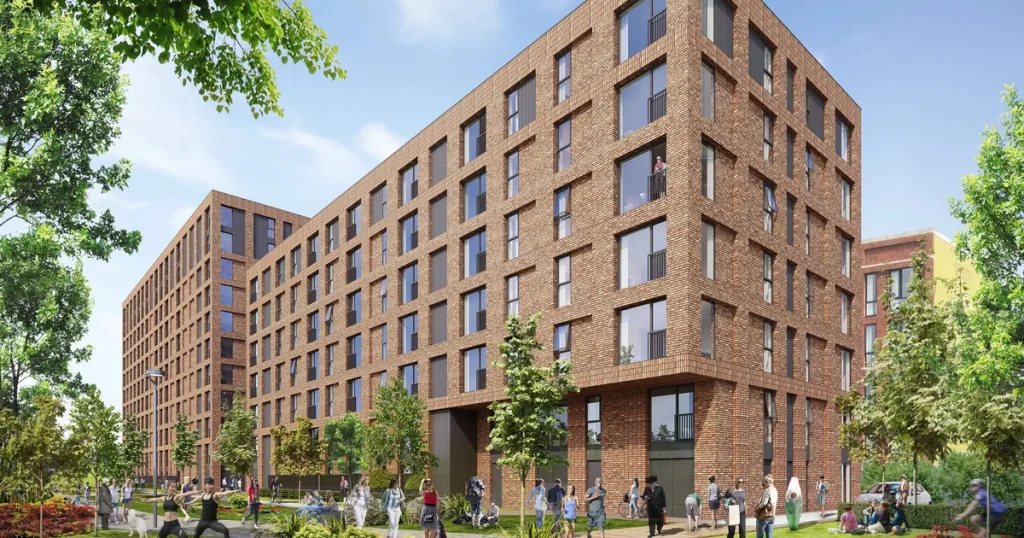
Orion Heritage provided strategic heritage support for proposals at Upper Wharf Street, Salford, a major residential development site within the rapidly evolving Crescent area regeneration corridor.

The scheme proposed new mid-rise residential development within a complex historic townscape, affecting the setting of a Grade II listed terrace and a designated Conservation Area. As is often the case with high-density urban regeneration projects, balancing ambitious development proposals with heritage considerations required careful analysis, clear justification and sustained engagement throughout the planning process
Our approach

Following preparation of the original Heritage Statement, Orion Heritage provided ongoing technical support to the client team, including a series of detailed technical rebuttals responding to concerns raised by conservation officers during consultation.

Our role focused on helping the client team clearly articulate the heritage and townscape rationale behind the scheme, while providing robust, evidence-led responses to objections relating to scale, setting and visual impact within the surrounding historic environment.

The project formed part of the wider regeneration of the Salford Crescent area, where significant growth and investment are reshaping former industrial and underused sites into new residential neighbourhoods. Orion Heritage’s advice helped support the progression of a challenging urban scheme within a highly sensitive heritage context.

Key outcomes

  • Strategic heritage support for a major urban residential development
  • Technical responses addressing conservation officer concerns
  • Heritage advice relating to a Grade II listed terrace and Conservation Area
  • Support navigating complex townscape and setting issues
  • Evidence-led approach balancing regeneration ambitions with heritage considerations
Pragmatic archaeological strategy supporting residential development

The challenge

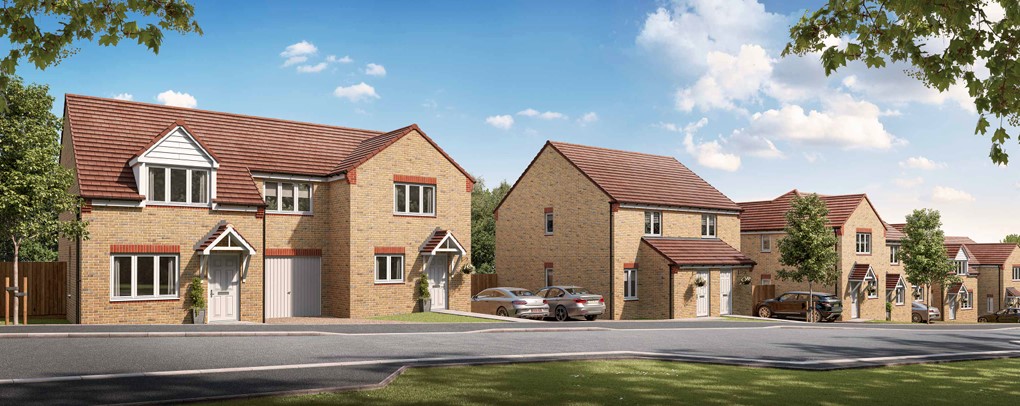
Orion Heritage supported the Parklee Court residential development in Keighley by helping the client navigate archaeological concerns raised during the planning process and avoid unnecessary pre-construction investigation works.

NorthCountry Homes approached Orion Heritage following comments from the local authority’s archaeological advisor requesting a programme of archaeological work prior to development commencing. Orion Heritage was appointed to engage directly with West Yorkshire Archaeology Advisory Service (WYAAS) and establish an appropriate and proportionate strategy for the site

Our approach

Orion Heritage prepared a comprehensive desk-based assessment drawing on Historic Environment Record data alongside a detailed review of historic mapping, LiDAR data and aerial photography. The assessment considered the archaeological potential of the site, including possible remains associated with nearby historic industrial activity.

Our analysis concluded that the archaeological potential of the site was low and that further archaeological works were unlikely to be justified.
Following submission of the assessment, WYAAS accepted Orion Heritage’s conclusions and confirmed that no additional archaeological investigation would be required.

By combining robust analysis with pragmatic engagement with the archaeological advisor, Orion Heritage helped the client avoid unnecessary pre-commencement works and progress the scheme efficiently into construction.
The residential development is now under construction.

Key outcomes

  • Archaeological strategy developed for residential development scheme
  • Direct negotiation with West Yorkshire Archaeology Advisory Service
  • Comprehensive archaeological desk-based assessment prepared
  • Historic mapping, LiDAR and aerial photography analysis undertaken
  • Further archaeological works successfully avoided
  • Residential scheme progressed efficiently into construction

Combined archaeology and built heritage assessment supporting renewable energy infrastructure

The challenge

Orion Heritage provided combined archaeological and built heritage assessment work in support of proposals for a wind turbine at Camgrain, one of the UK’s leading farmer-owned grain storage cooperatives.

Renewable energy projects often present unique heritage challenges, particularly where turbine development has the potential to affect both buried archaeology and the setting of heritage assets across a wider landscape. Orion Heritage’s role was to provide a coordinated heritage strategy that addressed both archaeological considerations and built heritage impacts within a single, integrated assessment.

Our approach

The project required careful analysis of potential heritage effects associated with the proposed turbine, including setting considerations and the relationship between the development and the surrounding historic environment. Orion Heritage provided proportionate, evidence-led advice to support the planning process while recognising the wider importance of renewable energy infrastructure and sustainable development. Renewable energy proposals frequently require particularly robust consideration of heritage setting and landscape impacts.

By combining archaeological and built heritage expertise within one coordinated approach, Orion Heritage helped streamline the heritage assessment process and support the progression of the scheme through planning.

Key outcomes

  • Combined archaeology and built heritage assessment for renewable energy development
  • Heritage advice supporting proposed wind turbine infrastructure
  • Assessment of archaeological and heritage setting considerations
  • Integrated approach reducing complexity within the planning process
  • Proportionate, evidence-led heritage strategy supporting sustainable development

Heritage advice supporting a major new research and innovation facility

The challenge

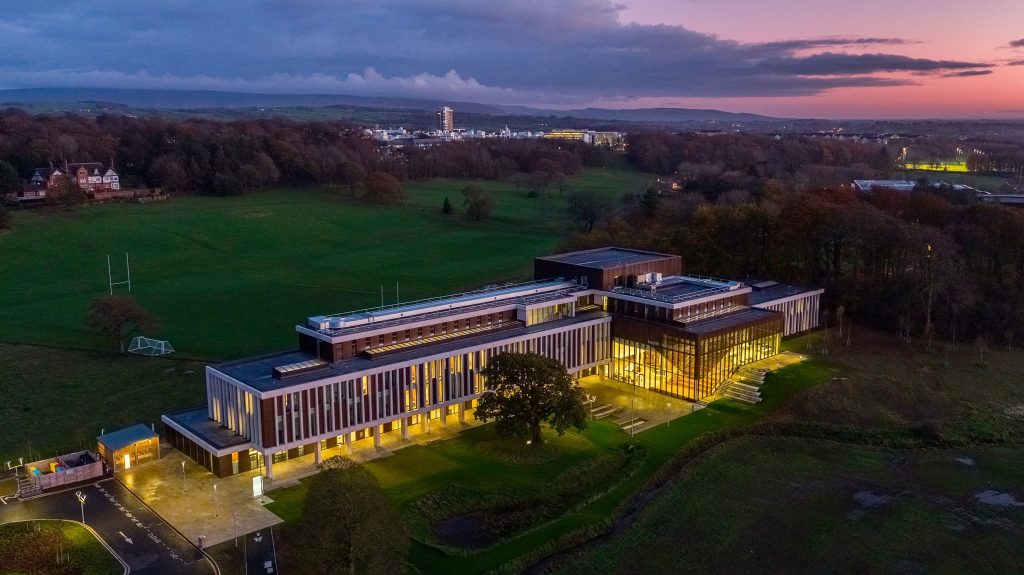
Orion Heritage provided heritage advice in support of proposals for Lancaster University’s Health Innovation Campus, a major new research, education and enterprise development designed to establish the university as a leading centre for health innovation.

The wider campus forms part of a significant long-term expansion of Lancaster University and includes Health Innovation One, an 80,000 sq ft collaboration hub bringing together research, healthcare, business and education.

Orion Heritage advised on heritage and setting considerations associated with the proposed development, including impacts affecting nearby listed buildings and non-designated heritage assets within the surrounding historic landscape.

Our approach

The project required a careful balance between enabling large-scale contemporary development and understanding the significance and setting of heritage assets within and around the university campus environment. Orion Heritage’s role focused on providing clear, proportionate heritage advice that supported the evolution of the scheme while helping the client team navigate potential heritage sensitivities.

Working as part of the wider consultant team, Orion Heritage helped ensure that heritage considerations were fully integrated into the planning and design process for a major new academic and innovation facility of regional significance.

Key outcomes

  • Heritage advice supporting a major university expansion project
  • Assessment of impacts on listed buildings and non-designated heritage assets
  • Strategic advice relating to setting and historic landscape considerations
  • Support for a large-scale research, education and innovation development
  • Proportionate, evidence-led heritage input within a complex multidisciplinary project team

Managing complex archaeology at scale across a major strategic housing site

The project

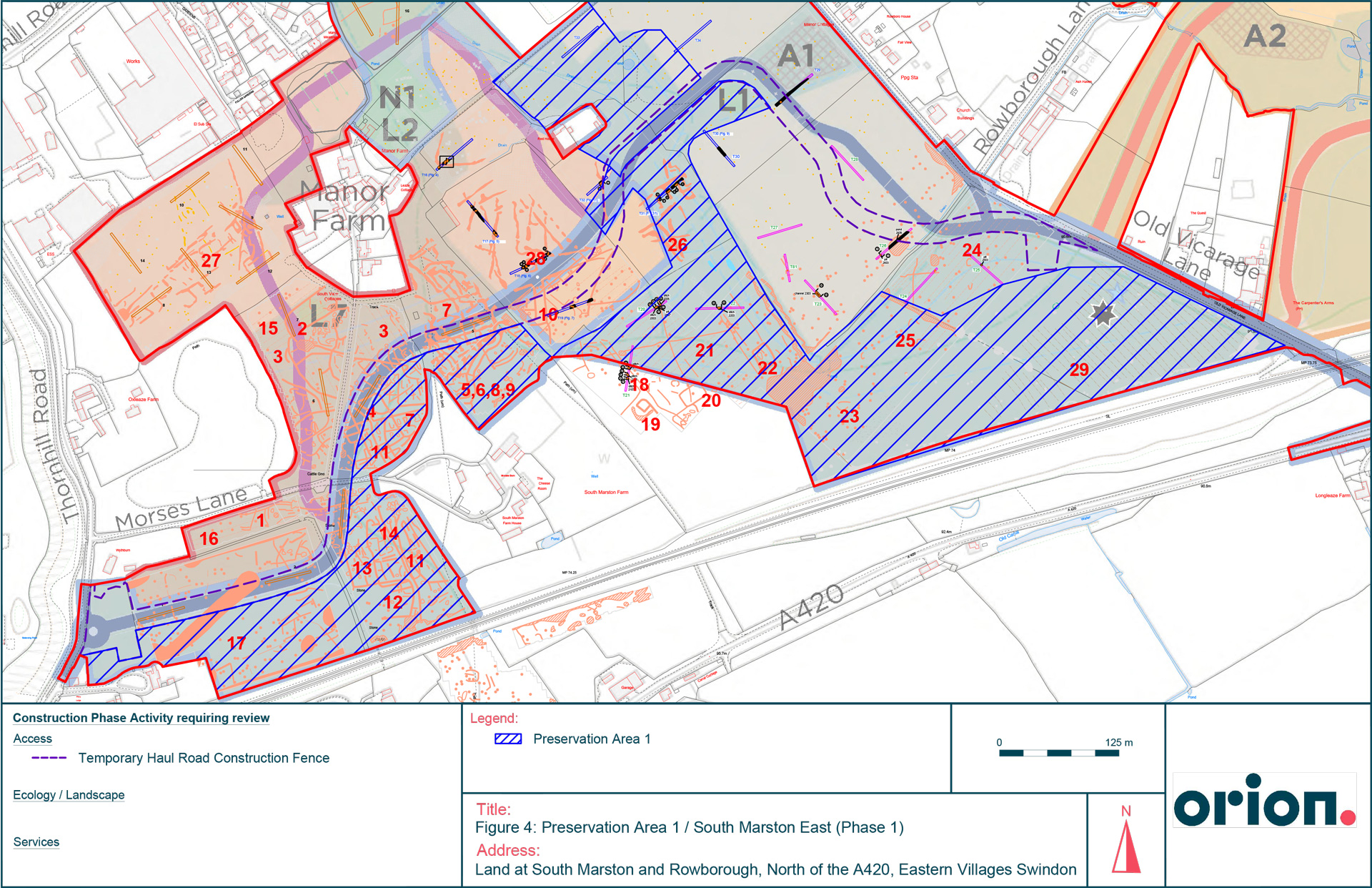
Orion Heritage has provided long-term archaeological and heritage consultancy for South Marston, a major consented residential scheme delivering 2,380 homes alongside community facilities, a new primary school and extensive green space. Forming the northern part of the Swindon North Eastern Villages expansion area, the site lies within a landscape of high archaeological potential.

Orion Heritage was originally appointed to prepare the heritage assessment and heritage Environmental Statement chapter supporting the outline planning application, and subsequently to discharge the archaeological conditions attached to the outline consent. Our early work included a desk-based assessment, geophysical survey and several phases of archaeological evaluation, which identified multiple historic settlements and features spanning the Bronze Age, Iron Age and Roman periods.

Our approach

On our advice, the scheme layout was devised to exclude most of the large historic settlement, reducing both the potential impact on the remains and the cost of excavation. Our assessment also demonstrated that there would be no negative effect on nearby listed buildings.

We formulated and agreed a site-wide outline archaeological mitigation strategy, written into the archaeological planning conditions, and following the grant of permission prepared a comprehensive development-wide Written Scheme of Investigation and an outline archaeological management plan for remains preserved within the scheme’s open space.

The results

Since then, working on behalf of Taylor Wimpey and Vistry, Orion Heritage has moved from strategy into delivery. We managed the tendering and procurement of the mitigation works and have overseen the archaeological excavations across the infrastructure and housing areas of Woodlands, the western half of the development. This has involved an 18-month programme of fieldwork requiring close, sustained coordination between the Wiltshire Council archaeology team, the appointed archaeological contractor MOLA, the clients, development project managers Ward Williams, groundworkers, ecologists and a wide range of other stakeholders.

The excavations revealed Iron Age settlement remains alongside extensive and complex Roman settlement evidence, significantly expanding understanding of the site’s development through time. The archaeology proved more complex than anticipated, and the work was carried out through some of the wettest winter and spring conditions in recent years, with ground conditions at times extremely challenging.

Orion Heritage’s role focused on keeping investigation rigorous and properly resourced while maintaining momentum on a live development programme, adapting the approach as the scale and significance of the remains became clear.

A programme of public outreach was delivered alongside the fieldwork, sharing the discoveries with the local community. Attention now turns to the eastern half of the site, where the next phase of archaeological works is about to begin.

Key outcomes

  • Integrated archaeology and built heritage advice for a 2,380-home strategic residential scheme
  • Archaeological and heritage assessments prepared in support of the outline planning application
  • Strategic advice shaping the scheme layout to reduce archaeological impact and excavation cost
  • Outline planning permission successfully secured, with archaeological conditions agreed
  • Development-wide Written Scheme of Investigation agreed for the whole scheme
  • Tendering and procurement of the archaeological mitigation works managed on behalf of the clients
  • Management of an 18-month programme of excavation across the western half of the development
  • Iron Age settlement and extensive, complex Roman settlement remains revealed and investigated
  • Complex archaeology successfully managed through exceptionally challenging ground conditions
  • Public outreach programme delivered during the works
  • Next phase of archaeological investigation now commencing on the eastern half of the site