
Unlocking a long-contested site within the setting of a Grade II listed building

The project

Orion Heritage provided strategic heritage advice for proposals at Causeway Farmhouse, a complex and highly sensitive site within the setting of a Grade II listed building in the South Downs National Park.

For more than a decade, development proposals associated with the site had faced sustained objections from the local conservation team, making progress particularly challenging. Orion Heritage was appointed to help develop a robust heritage strategy capable of supporting the site through the emerging local plan process.

The project required careful navigation of heritage policy, extensive consultation and ongoing engagement with conservation stakeholders. Alongside detailed heritage assessment work, Orion Heritage provided strategic advice throughout the process, helping the client team respond to evolving concerns and build a stronger case for development within a sensitive historic setting.

Our approach

Rather than treating heritage as a barrier, Orion Heritage helped reframe the discussion around the long-term future of the site and the role carefully considered development could play within it.

Through a combination of rigorous analysis, pragmatic advice and sustained engagement, Orion Heritage helped support a significant breakthrough for the scheme.

The site has subsequently been identified for draft allocation within the emerging South Downs National Park Local Plan, a major milestone for proposals that had previously faced heritage-related resistance for over ten years.

Key outcomes

  • Strategic heritage advice for a complex site within the setting of a Grade II listed building
  • Ongoing engagement with conservation stakeholders and planning teams
  • Support navigating longstanding heritage objections
  • Robust heritage strategy developed for the local plan process
  • Site successfully identified for draft allocation within the emerging South Downs National Park Local Plan
Supporting a sensitive redevelopment through clear, strategic heritage advice

The project

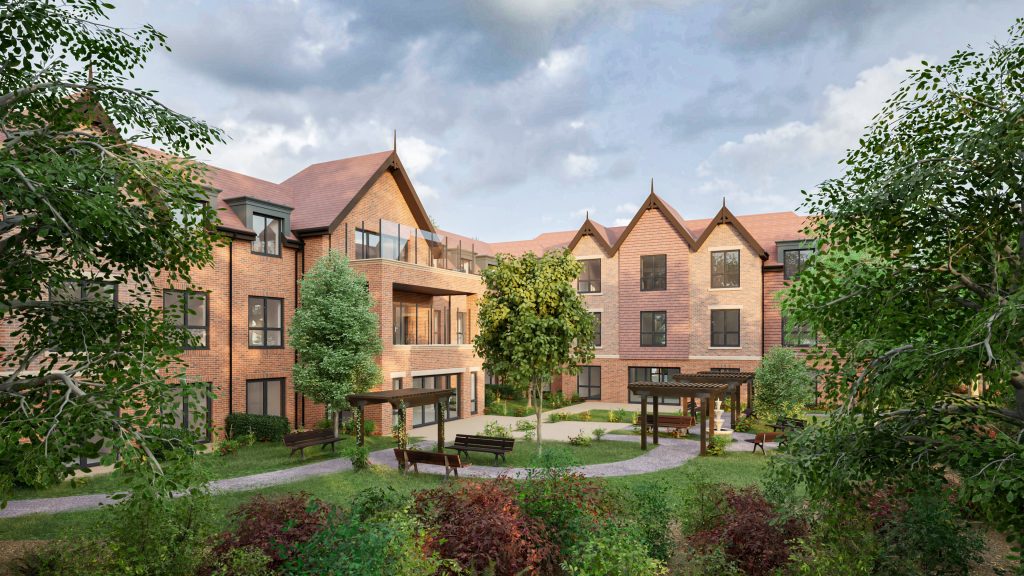
Orion Heritage supported proposals for the redevelopment of Beech Court, Rectory Road, Kent, where a non-designated heritage asset was proposed for demolition to enable a new assisted living and care home development.

The project required a careful and balanced approach. Alongside the need to address heritage considerations sensitively, the scheme also needed to navigate evolving local authority expectations and demonstrate a clear justification for change.

Our approach

Working closely with the client throughout both the pre-application and full application stages, Orion Heritage provided strategic heritage advice tailored to each phase of the planning process. Our role was not simply to produce reports, but to help shape a proportionate and robust heritage strategy that would support the wider ambitions of the scheme.

We engaged directly with the local authority’s Conservation Officer to strengthen and refine the Statement of Significance, ensuring the heritage value of the building was properly understood and clearly articulated. Through ongoing dialogue and negotiation, we also identified the need for historic building recording and helped agree an appropriate and proportionate scope of investigation with the local authority.

Orion Heritage prepared the full suite of supporting heritage documentation, including a Statement of Significance, Archaeological Desk-Based Assessment, Heritage Statement and Level 3 Historic Building Record.

By combining rigorous heritage analysis with pragmatic planning support, Orion Heritage helped guide the scheme through a sensitive planning process and secure a successful outcome for the client.

Planning consent was subsequently granted, with Level 3 building recording secured as a condition of approval.

Key outcomes

  • Strategic heritage advice throughout pre-application and planning stages
  • Direct negotiation with the local authority Conservation Officer
  • Proportionate approach to heritage investigation and recording
  • Comprehensive heritage documentation prepared in support of the application
  • Planning consent successfully secured for the redevelopment scheme

Integrated archaeology and built heritage strategy supporting outline planning permission

The project

Orion Heritage provided archaeological and built heritage advice in support of a residential development scheme in Sittingbourne, Kent, helping guide the project through the planning process and secure outline planning permission.

The scheme involved a range of heritage considerations, including archaeological potential and impacts on nearby heritage assets within the surrounding historic environment. Orion Heritage was appointed to develop a coordinated heritage strategy that balanced planning requirements with the practical realities of delivering a viable housing scheme.

Our role included preparation of archaeological and built heritage assessments to support the application, alongside strategic advice aimed at reducing planning risk and avoiding unnecessary pre-determination investigation works.

Our approach

Through early engagement and evidence-led assessment, Orion Heritage helped demonstrate that intrusive archaeological trenching prior to determination was not required, allowing the scheme to progress more efficiently through the planning process while still addressing heritage considerations appropriately.

In parallel, Orion Heritage also provided design advice relating to built heritage considerations, helping shape aspects of the scheme in response to the surrounding historic context.

By combining archaeological expertise, built heritage advice and pragmatic planning support, Orion Heritage helped secure outline planning permission for the proposed residential development.

Key outcomes

  • Integrated archaeology and built heritage advice for a residential development scheme
  • Archaeological and heritage assessments prepared in support of outline planning application
  • Strategic advice helping avoid unnecessary pre-determination trenching
  • Design input responding to built heritage considerations
  • Outline planning permission successfully secured

Heritage strategy and expert witness support for a major solar energy scheme

The project

Orion Heritage provided archaeological and built heritage advice for Swallett Energy Park, a proposed solar farm near Chippenham designed to deliver significant renewable energy capacity alongside substantial biodiversity enhancements.

The scheme involved a complex range of heritage considerations, including potential impacts on archaeology, heritage assets and the wider historic landscape. Orion Heritage prepared separate archaeological and built heritage assessments to support the planning application, alongside archaeological evaluation work and geophysical survey.

As the design evolved, Orion Heritage also worked closely with the wider consultant team to help refine the scheme layout in response to built heritage concerns raised during the planning process. This included providing strategic heritage input to support a more sensitive and balanced approach to development within the surrounding historic environment.

Despite receiving a recommendation for approval, the application was refused planning permission at committee stage.

The result

Orion Heritage continued to support the project team through the subsequent appeal process, acting as heritage expert witness at the appeal hearing. Our role focused on presenting clear, proportionate and evidence-led heritage arguments addressing both archaeology and built heritage issues associated with the scheme.

The Planning Inspector ultimately agreed with Orion Heritage’s assessment and wider planning arguments, overturning the refusal and granting planning permission on appeal.

The approved scheme will now deliver meaningful renewable energy generation alongside a reported 79% biodiversity net gain, demonstrating how carefully considered renewable energy development and robust heritage strategy can successfully work together.

Key outcomes

  • Archaeological and built heritage assessments prepared for a major solar energy scheme
  • Archaeological evaluation and geophysical survey undertaken in support of the application
  • Strategic heritage input informing design and layout revisions
  • Heritage expert witness evidence provided at appeal hearing
  • Planning refusal successfully overturned at appeal
  • Planning permission secured for renewable energy development with significant biodiversity benefits

Heritage advice for works to a Grade II listed Quaker meeting house

The challenge

Orion Heritage prepared a Heritage Statement in support of proposals for replacement roof works at Friends’ Mews, Worcester, a Grade II listed Quaker meeting house located within Worcester City Centre Conservation Area.

The meeting house forms part of an historically significant Quaker site with origins dating back to the early eighteenth century and occupies a sensitive position within Worcester’s historic urban core. As with many listed places of worship and historic community buildings, the challenge lay in balancing the practical need for repair and long-term maintenance with the protection of the building’s architectural and historic significance.

Our approach

Orion Heritage provided a clear and proportionate assessment of the significance of the building and the likely impact of the proposed roof replacement works, helping to support a sensitive approach to repair within a designated heritage setting.

Our work focused on ensuring that the proposals were carefully justified within the context of both the listed building and the wider Conservation Area, while recognising the importance of maintaining the continued use and long-term sustainability of the meeting house.

Through clear analysis and pragmatic heritage advice, Orion Heritage helped support proposals for the ongoing conservation and stewardship of an important historic community asset.

Key outcomes

  • Heritage Statement prepared for roof replacement works to a Grade II listed building
  • Heritage advice relating to a historic Quaker meeting house within Worcester City Centre Conservation Area
  • Clear and proportionate assessment of heritage impact
  • Support for the long-term conservation and continued use of a significant historic building

Supporting a major residential scheme within a sensitive historic urban setting

The challenge

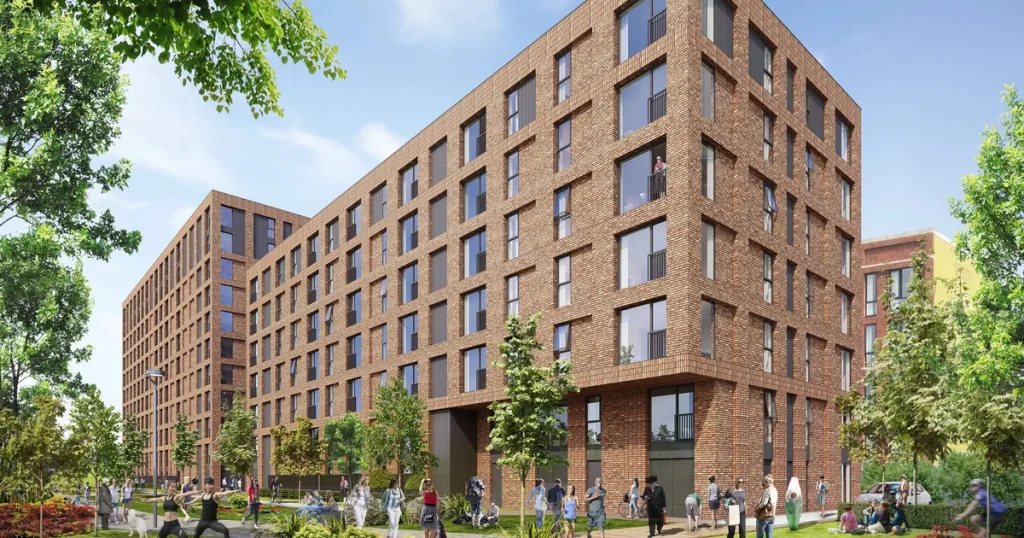
Orion Heritage provided strategic heritage support for proposals at Upper Wharf Street, Salford, a major residential development site within the rapidly evolving Crescent area regeneration corridor.

The scheme proposed new mid-rise residential development within a complex historic townscape, affecting the setting of a Grade II listed terrace and a designated Conservation Area. As is often the case with high-density urban regeneration projects, balancing ambitious development proposals with heritage considerations required careful analysis, clear justification and sustained engagement throughout the planning process

Our approach

Following preparation of the original Heritage Statement, Orion Heritage provided ongoing technical support to the client team, including a series of detailed technical rebuttals responding to concerns raised by conservation officers during consultation.

Our role focused on helping the client team clearly articulate the heritage and townscape rationale behind the scheme, while providing robust, evidence-led responses to objections relating to scale, setting and visual impact within the surrounding historic environment.

The project formed part of the wider regeneration of the Salford Crescent area, where significant growth and investment are reshaping former industrial and underused sites into new residential neighbourhoods. Orion Heritage’s advice helped support the progression of a challenging urban scheme within a highly sensitive heritage context.

Key outcomes

  • Strategic heritage support for a major urban residential development
  • Technical responses addressing conservation officer concerns
  • Heritage advice relating to a Grade II listed terrace and Conservation Area
  • Support navigating complex townscape and setting issues
  • Evidence-led approach balancing regeneration ambitions with heritage considerations

Combined archaeology and built heritage assessment supporting renewable energy infrastructure

The challenge

Orion Heritage provided combined archaeological and built heritage assessment work in support of proposals for a wind turbine at Camgrain, one of the UK’s leading farmer-owned grain storage cooperatives.

Renewable energy projects often present unique heritage challenges, particularly where turbine development has the potential to affect both buried archaeology and the setting of heritage assets across a wider landscape. Orion Heritage’s role was to provide a coordinated heritage strategy that addressed both archaeological considerations and built heritage impacts within a single, integrated assessment.

Our approach

The project required careful analysis of potential heritage effects associated with the proposed turbine, including setting considerations and the relationship between the development and the surrounding historic environment. Orion Heritage provided proportionate, evidence-led advice to support the planning process while recognising the wider importance of renewable energy infrastructure and sustainable development. Renewable energy proposals frequently require particularly robust consideration of heritage setting and landscape impacts.

By combining archaeological and built heritage expertise within one coordinated approach, Orion Heritage helped streamline the heritage assessment process and support the progression of the scheme through planning.

Key outcomes

  • Combined archaeology and built heritage assessment for renewable energy development
  • Heritage advice supporting proposed wind turbine infrastructure
  • Assessment of archaeological and heritage setting considerations
  • Integrated approach reducing complexity within the planning process
  • Proportionate, evidence-led heritage strategy supporting sustainable development

Heritage advice supporting a major new research and innovation facility

The challenge

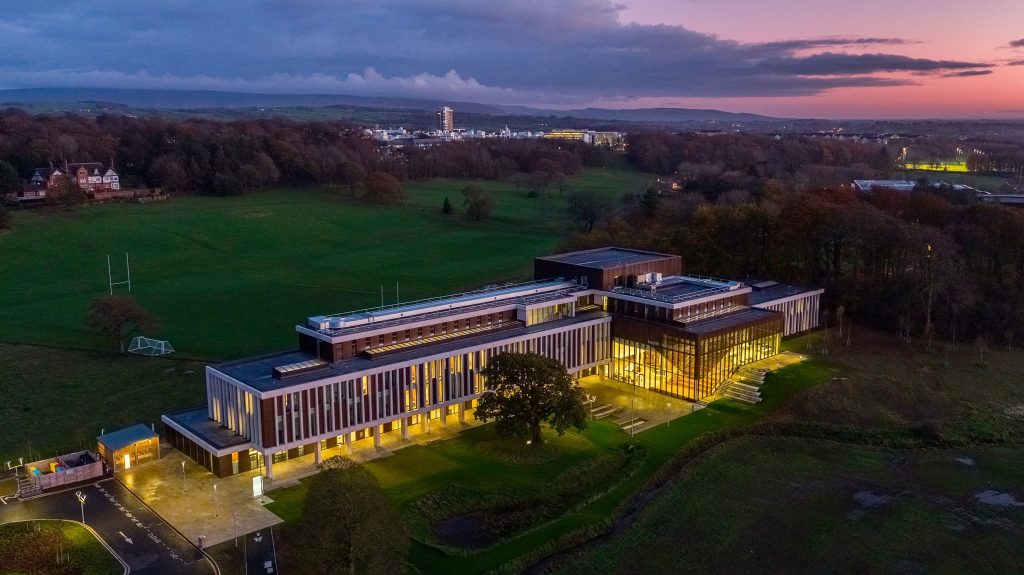
Orion Heritage provided heritage advice in support of proposals for Lancaster University’s Health Innovation Campus, a major new research, education and enterprise development designed to establish the university as a leading centre for health innovation.

The wider campus forms part of a significant long-term expansion of Lancaster University and includes Health Innovation One, an 80,000 sq ft collaboration hub bringing together research, healthcare, business and education.

Orion Heritage advised on heritage and setting considerations associated with the proposed development, including impacts affecting nearby listed buildings and non-designated heritage assets within the surrounding historic landscape.

Our approach

The project required a careful balance between enabling large-scale contemporary development and understanding the significance and setting of heritage assets within and around the university campus environment. Orion Heritage’s role focused on providing clear, proportionate heritage advice that supported the evolution of the scheme while helping the client team navigate potential heritage sensitivities.

Working as part of the wider consultant team, Orion Heritage helped ensure that heritage considerations were fully integrated into the planning and design process for a major new academic and innovation facility of regional significance.

Key outcomes

  • Heritage advice supporting a major university expansion project
  • Assessment of impacts on listed buildings and non-designated heritage assets
  • Strategic advice relating to setting and historic landscape considerations
  • Support for a large-scale research, education and innovation development
  • Proportionate, evidence-led heritage input within a complex multidisciplinary project team